
Plumbing advice
Does Your Austell Crawlspace Actually Need a Sump Pump?
Low ground makes this a fair question here. The answer still depends on your lot rather than on your postcode.
Water under the house now?
Note whether it appeared during rain or in dry weather. Dry weather water is usually a supply leak, not groundwater.
- HERE IT IS
- Crawlspaces, not basements.
- DECIDED BY
- Your lot, not the town.
- TEST IT
- Before the wet season.
Why the question is fair in this town and still lot specific
Austell sits low, at roughly 928 feet, in ground where Sweetwater Creek, Noses Creek, Butler Creek and Powder Springs Creek all drain toward the Chattahoochee. Piedmont red clay sheds water rather than absorbing it, so rain that would soak away elsewhere runs downhill here and collects somewhere.
That makes crawlspace water a genuine and common problem in parts of this town. It does not make it universal. A house on higher ground a few streets away, or on a lot that drains well, can go decades without a drop under it.
So the useful question is not whether Austell houses need sump pumps. It is whether yours does, and the evidence for that is sitting under your own floor.
The evidence that actually settles it
Look for these before deciding anything
The last one matters most for how you spend. Water under a house during a dry spell is not a drainage problem and a pump will simply run forever without fixing it.
- Standing water in the crawlspace after heavy rain, at any point in the last few years.
- A high water mark or silt line on piers or the foundation wall.
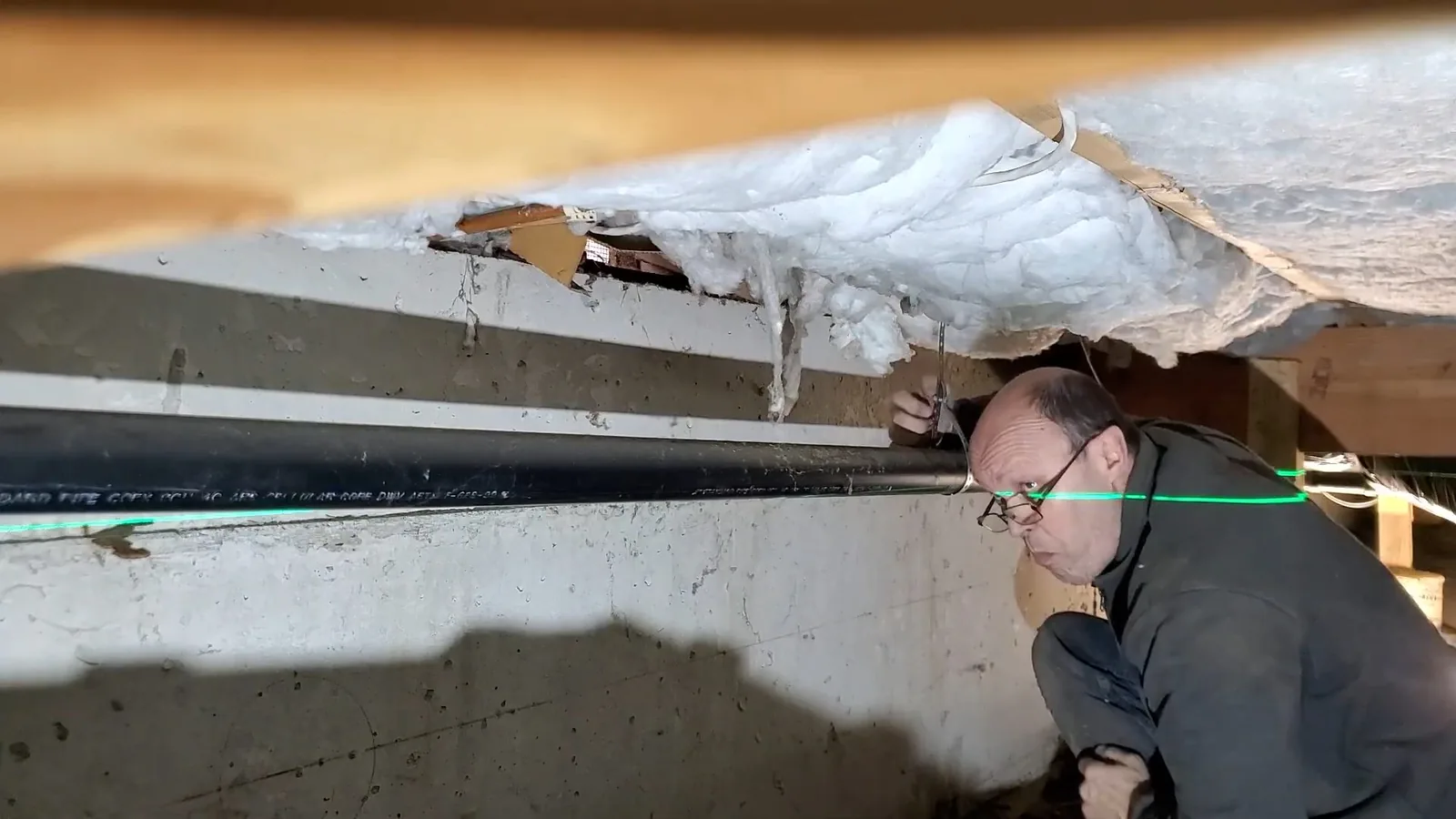
- Insulation that has fallen or is stained along the bottom edge.
- Persistent damp smell reaching the living space above.
- Rusting on the base of any equipment stored down there.
- A pit that already exists, which usually means somebody dealt with this before.
- Standing water in dry weather, which points at a plumbing leak rather than groundwater.
| What you find | Likely cause | Sensible response |
|---|---|---|
| Water after heavy rain only. | Groundwater rising in saturated clay. | A pump is a reasonable answer. |
| Water in dry weather. | Supply leak or a drain fault. | Trace it with leak detection before buying a pump. |
| Damp but never standing water. | Ground moisture and poor ventilation. | Vapour barrier and drainage before a pump. |
| Water only near one corner. | Surface water entering, often guttering or grading. | Fix the outside first, it is cheaper. |
| An existing pit with a dead pump. | This has happened before and was addressed. | Replace the pump and test it. |
| Never any water in several wet years. | The lot drains. | No pump needed. |
Check the outside before spending inside. A downpipe discharging beside the foundation, or ground graded back toward the house, puts far more water against a crawlspace than groundwater usually does. Both are cheap to correct and both are frequently the whole answer.
What a sound installation looks like
If the evidence does point to a pump, the installation details matter more than the brand on the box.
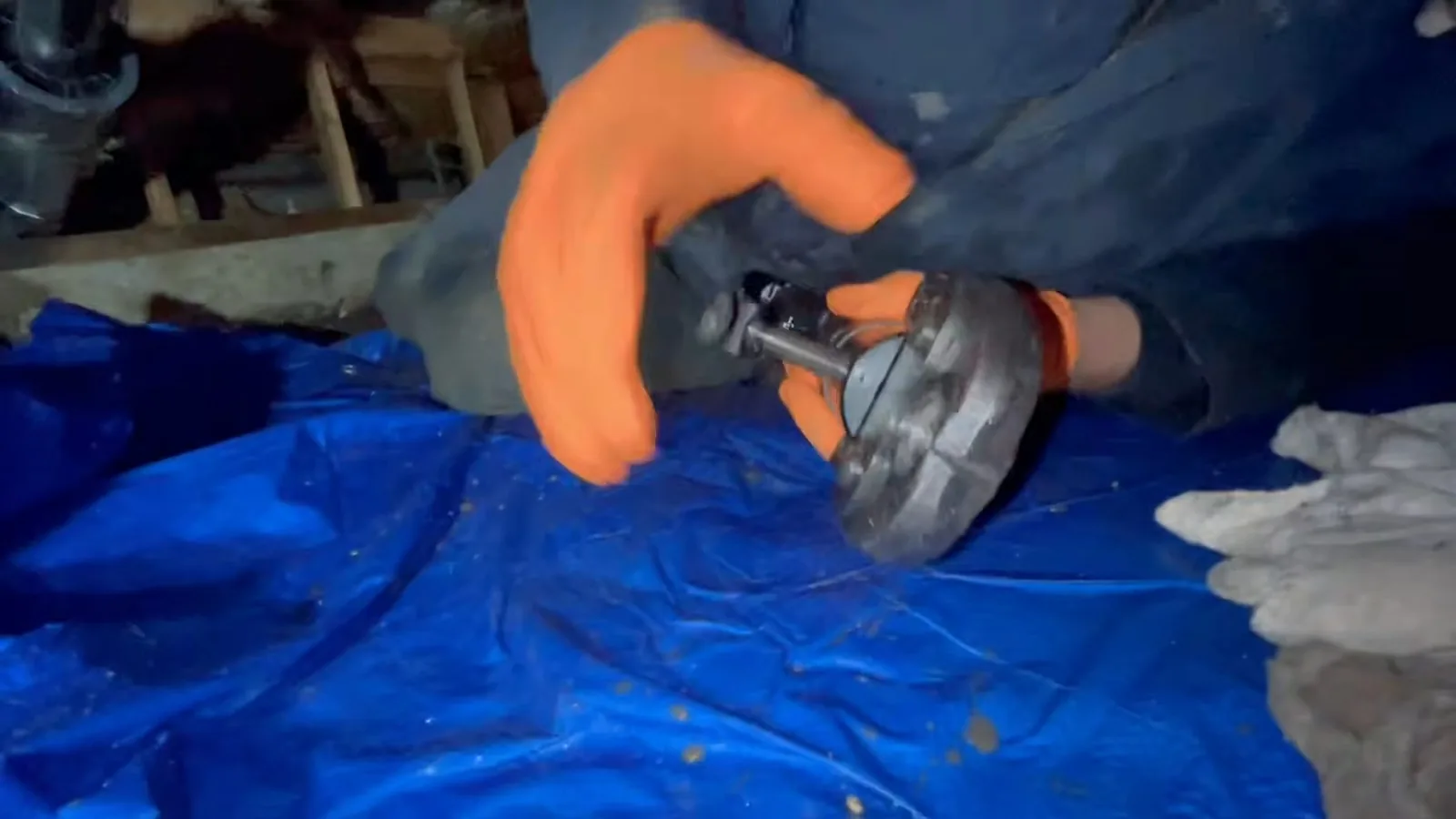
There should be a proper pit rather than a pump sitting on the crawlspace floor, and a check valve on the discharge so lifted water does not run straight back down. The float needs room to move without fouling the pit wall, and the pump needs a dedicated outlet rather than an extension lead run across a crawlspace.
Access matters too, and it is the item most often ignored. A pump nobody can reach is a pump nobody will service, and these fail silently.
Talk to a licensed plumber now, not a call-back queue.
Call (770) 764-0886Pour water in the pit
Fill until the float lifts. The pump should start promptly and stop cleanly once the level drops.
Listen to how it stops
A pump that cycles straight back on is being fed water returning through a failed check valve, which burns pumps out.
Follow the discharge outside
It should leave well clear of the foundation. A discharge dumping beside the wall recirculates through the same ground.
Test any backup on battery
Unplug the mains supply and confirm the backup runs. Storms bring water and power cuts together.
Where the discharge is allowed to go
Into the yard, well clear of the foundation and not directed onto a neighbouring property. Not into the sanitary sewer, which is prohibited under the plumbing code as adopted in Georgia, the International Plumbing Code (IPC) with state amendments.
The reason behind that rule is local as well as technical. Adding groundwater to a sewer system during heavy rain is what causes the public line to surcharge, and a surcharged main is what pushes waste water back up somebody's lowest drain.
When a backup is worth the extra
Battery backup looks like an upsell until you consider the timing. Severe storms in this area bring heavy rain and power cuts together, so the mains pump is most likely to be without power on exactly the night it is needed.
It earns its place if the crawlspace holds anything you would mind losing, if the house has taken water before, or if the property is regularly empty for stretches. If the pump is a precaution on ground that has never flooded, it probably does not.
The installation and servicing detail is on our sump pump page. Where water under the house turns out to be a main line backing up rather than groundwater, that is a sewer problem and a pump is the wrong purchase entirely.
Quick answers
Crawlspace and pump questions
How long does a sump pump last?
Roughly seven to ten years is typical, and it depends far more on how often it runs than on age alone. A pump cycling constantly because of a failed check valve wears out in a fraction of that.
Test yours annually before the wet season. A pump that fails silently in October gets discovered in February in the worst way.
Is a vapour barrier a substitute for a pump?
They address different problems. A vapour barrier controls ground moisture evaporating into the crawlspace, which helps with damp and smell. It does nothing about water arriving as liquid.
Where the issue is damp rather than standing water, the barrier is often the better first spend.
Can the discharge freeze in winter?
It can, particularly on a long run with poor fall, and a frozen discharge means the pump runs against a blocked line. That is a genuine failure mode here even with our mild winters.
Adequate fall and a short exterior run reduce the risk considerably.
The pump runs constantly. Is that normal?
No. Constant running usually means a stuck float, a failed check valve returning lifted water to the pit, or a pump undersized for what is arriving.
It is worth attending to quickly, because it is both a symptom and a way to destroy the pump.
Crawlspace holding water after rain?
Call before the next wet stretch rather than during it. A test and a check valve are inexpensive compared with a saturated crawlspace.